


Ductless AC Installation in Palm Bay FL: Solving Cooling Problems in Older Homes & Additions

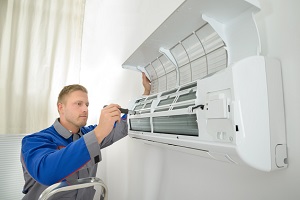
If your bonus room, enclosed porch, or converted garage never cools down, you are not alone. Ducted systems often miss these spaces, especially in older frame or block homes across Port Malabar, Lockmar Estates, and the Turkey Creek area. A well-planned mini split can fix the hot spots without tearing up ceilings. This guide from Wallace Air Conditioning & Heating Inc. breaks down ductless AC installation in Palm Bay FL, including placement, zone choices, and what our technicians look for on day one. For a deeper dive into system options, browse our ductless air conditioning page.
Why Ducted Systems Struggle in Older Homes and Additions
Traditional ductwork was never designed for rooms built years later. Additions often sit at the far end of the home where static pressure is highest and airflow is weakest. Long duct runs lose cold air to Florida’s attic heat. Undersized returns and leaky boots make it worse.
Older Palm Bay homes also have mixed construction. You might see one wall facing full afternoon sun with single-pane sliders and another wall shaded by oak trees. These uneven loads confuse a central thermostat located down the hall. The main system satisfies the hallway but leaves the new family room sweating at 4 p.m.
How We Plan Ductless AC Placement For Awkward Rooms
Good placement is half the battle. Our technician maps the room, notes doors and windows, and estimates where people actually sit. We aim the airflow across the length of the space so cool air sweeps the room before it returns.
Wall and Head Height Choices
In many additions, a high wall mount on an interior wall gives the best throw without blasting a sofa or TV. Corner installs can work, but we angle the vanes so air does not just loop in a tight circle. We also check for future furniture moves, so you are not locked into one layout.
When ceilings are low or the room is narrow, we sometimes choose a short-throw model or reposition to avoid drafting across a workstation or crib. If the addition opens to a kitchen, we account for heat from cooking so the head is not fighting a hot plume from the range.
Single-Zone vs. Multi-Zone: Technician Advice To Control Bills
Single-zone systems serve one space with one indoor head. Multi-zone systems connect two to five rooms to one outdoor unit. The right choice depends on layout and how you use the rooms.
- Choose single-zone for an isolated bonus room, office, or garage conversion that runs on its own schedule.
- Go multi-zone when you have several small rooms close together, like a primary suite plus nursery, or a sunroom tied to a den.
- Mixing very different room sizes on one outdoor unit can lead to short cycling. We balance capacities so each zone gets steady, efficient cooling.
Our field rule: match the equipment to your habit, not just the square footage. If a guest bedroom is rarely used, a smaller, dedicated head with a setback schedule saves energy. If the family room runs dawn to dusk, we size for continuous comfort rather than bursts of cold air. We also plan for future growth, so adding a second head later does not overload the system.
Installation Logistics That Keep Your Home Looking Great
Clean installs are the difference between “it works” and “I love it.” We begin with a tidy lineset path that avoids long exterior runs. Shorter lines help performance and look better from the street.
Lineset, Drain, and Electrical Routing
Whenever possible, we place the outdoor unit where it is easy to service and out of view. We route the lineset through a protective cover that matches the siding. The condensate line gets a positive slope so water exits quietly and does not stain the wall. For electrical, we coordinate breaker size, disconnect placement, and wire path to meet manufacturer specs without clutter.
In tight layouts, a rear-exit lineset can keep everything inside the footprint of the head. That way, you do not see tubing bend around the corner. We plan penetrating points carefully and seal wall penetrations to keep humid air and bugs where they belong.
Local insight: Palm Bay afternoons can swing hot and stormy. We favor shaded condenser locations with clear airflow to ride out pop-up storms and reduce radiant heat. Keeping vegetation 2–3 feet away from the unit protects performance during the summer surge.
Designing Airflow Around Tough Room Shapes
Bonus rooms come with sloped ceilings, offset doors, and tall sliders. We test vane settings so the jet of air reaches the far corner, not just the coffee table. In long rooms, we may angle the head slightly toward the warmer glass wall so the return path carries heat back to the coil.
For L-shaped additions, two smaller heads can beat one big unit. This evens out temperature and avoids a cold blast near the install wall. It also gives you separate controls for study time versus movie night, which helps your bill.
Humidity Control Matters In Palm Bay
Comfort is more than temperature. On sticky summer mornings along the Indian River Lagoon, humidity can linger even when the thermostat shows 75. Inverter-driven mini splits trim humidity by running longer at low speed. That steadier operation keeps the room dry without the roller-coaster feel of on-off cooling.
We set fan modes and temperatures to encourage longer, quieter runs. This is where right-sizing pays off. Oversized equipment cools fast but leaves moisture behind. Our techs will avoid oversizing so you get even cooling and a drier feel.
Choosing Wall Placement Without Ruining Aesthetics
We look for symmetry with windows, keep clear sightlines to artwork, and avoid mounting above headboards. If the only good thermal wall faces the entry, we select a slimmer cabinet style and color that blends with trim. We also check TV glare and noise reflections so family time stays peaceful.
Outside, we keep the condenser level on a vibration-dampening pad. Coastal air and lawn sprinklers can be tough on fins, so we place the unit away from direct spray and salty wind corridors. We also protect the lineset with UV-stable covers so the install still looks clean five summers from now.
How Our Technicians Right-Size Your Mini Split
Load varies by sun exposure, insulation, window type, and how many people use the room. We measure the space, note materials, and check how the sun hits at 4 p.m. in July when heat is highest. A careful calculation sets capacity, then we match an indoor head with the right coil and fan to throw air across the room.
For multi-zone projects, we keep total connected capacity within the outdoor unit’s sweet spot. We also stagger max loads so the system does not strain on the first blazing Saturday of summer. When rooms are used at the same time, we size to maintain setpoints without spike-and-crash cycles.
What To Expect On Install Day
- Walkthrough to confirm head location, drain exit, and outdoor unit spot.
- Careful drilling and mounting with level checks and sound-isolating pads.
- Vacuum, pressure test, and commissioning to factory standards.
- Thermostat and app setup with simple schedules that match your routine.
Most single-zone installs wrap up quickly depending on complexity. Multi-zone projects take longer because we test each head and balance airflow across the system. Before we leave, we show you vane settings and cleaning steps for the washable filter, so day-one comfort sticks around.
Energy-Smart Settings That Don’t Spike Your Bill
It is tempting to run additions ice-cold to catch up. Instead, we recommend steady, modest setpoints during peak hours. In multi-zone homes, cool the spaces you use and let seldom-used rooms float slightly higher. Long, gentle runs win in Florida’s humidity, both for comfort and efficiency.
Curious how this fits into whole-home planning? Our broader air conditioning services in brevard county explain how ducted and ductless systems can work together. You can also skim our archive for comfort tips for brevard county homes to see seasonal guidance from our team.
Mini Split Myths We Hear In Palm Bay
“One big head can cool the whole wing.” It rarely does. Air takes the shortest path back, so corners and side rooms stay warm. Two smaller heads often solve this while using less energy over time.
“Higher capacity means faster comfort.” True at first, but you pay with noise and humidity. A right-sized inverter at low speed feels cooler because the air is drier and more even. That is why we place the head high, not low, and tune vanes to wash the room instead of blasting one spot.
When A Multi-Zone Layout Shines
If your Port Malabar addition includes a craft room plus a playroom, separate heads let each space hit its own setpoint. During weekdays you can cool the craft room while the playroom coasts. On weekends, both can run without dragging down the main living area.
In Lockmar Estates, we often see offices added to the back of the home. A single-zone keeps work hours comfortable without forcing the central system to overcool the bedrooms. Tie it to a smart schedule, and you will feel the difference by the next power bill.
See Your Options Before You Decide
If you want examples of finishes and cabinet profiles, our mini split installation options page shows what a tidy install looks like around windows, art, and built-ins. It also lays out ways to route the lineset so the exterior stays clean and serviceable.
For a snapshot of our approach across the whole site, you can start at ductless ac installation in Palm Bay, FL and browse to the pages that fit your home. You will find practical planning advice written for Brevard County’s weather and housing styles.
Local Weather Factors We Build Around
Afternoon sun on west walls, sea breezes along the river, and sudden storms shape how we design your system. We angle airflow to handle the hot glass wall and size for continuous, quiet runs during peak humidity. We also choose fan settings that knock down moisture without making the room chilly.
If your addition sits over a former patio slab, the room may soak up heat from the floor. We account for that in our load math and adjust placement so the air stream sweeps low across the occupied zone. In rooms with high ceilings, we may recommend a head with wider vanes to spread air farther.
Talk With A Tech Who Installs These Every Week
You deserve clear answers, not guesswork. Our team installs ductless systems in Palm Bay homes every season and knows how older framing, slider doors, and sunrooms behave in July. We will walk you through single versus multi-zone and explain the tradeoffs in plain English.
When you are ready to cool that stubborn room, reach out to Wallace Air Conditioning & Heating Inc.. Call 321-773-7696 to schedule a friendly visit, or explore your options on our ductless air conditioning page before we come out. We are here to help you choose a setup that feels great and stays efficient all year.