


Florida Duct Cleaning Guide: How Often Should You Clean Your HVAC Vents in a High-Humidity Climate?

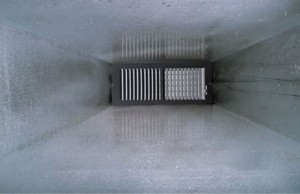
In coastal Florida, salty air and year-round moisture create perfect conditions for buildup inside supply and return runs. If you have been wondering about duct cleaning Florida and how it applies to homes in Indian Harbour Beach, this guide is for you. We will explain realistic timelines, what warning signs to watch for, and how to choose a pro who protects your home with proper containment. If you are already noticing dust plumes or musty smells at start-up, learn what a thorough professional duct cleaning should include.
Why Florida’s Humidity Makes Ducts Dirtier Faster
Warm, moist air is a magnet for dust, dander, and sticky film. In Indian Harbour Beach, sea breezes carry fine salt and organic particles. When that air cycles across cold coils, condensation forms. Particles cling to damp surfaces, then ride the airflow into supply lines. Over time, the film traps more debris. That is why homes near the Banana River, canal-front properties, and condos off A1A may notice faster buildup than inland houses.
Humidity also changes comfort settings. Many homeowners run the fan more often for circulation. More run time means more air movement and more contact with duct surfaces. If your system struggles to control moisture, you may see an uptick in odors or visible dust around registers after summer storms.
How Often To Clean HVAC Vents In Florida’s Coastal Climate
There is no single calendar rule that fits every home. Frequency depends on lifestyle, pets, smoking, renovation history, and moisture control. For many Indian Harbour Beach households, a good baseline is to evaluate ducts every 2 to 4 years and clean as needed. Oceanfront and canal homes with frequent open windows, or families with heavy shedding pets, may need inspections more often. Newly purchased homes, properties with recent remodeling, and vacation rentals with frequent guest turnover also benefit from a closer look soon after move-in or project completion.
Remember, cleaning on a timer without evidence is not helpful. The goal is clean air and efficient airflow, not unnecessary service. Use the signs below to guide timing and to decide when you need remediation rather than simple filter swaps.
Clear Signs You Need Immediate Duct Remediation
- Visible mold growth is a health red flag on vent covers, inside the boot, or near insulation. Do not ignore it.
- Persistent musty or earthy odors at start-up that return within minutes of running.
- Fine gray or black dust streaks forming “ghosting” around supply registers or on ceilings.
- Excess lint and debris blasting from vents after a recent renovation or drywall sanding.
- Flooding or roof leaks demand immediate remediation, especially if water reached the air handler closet, attic, or flex duct runs.
- Condensation lines clogging and overflow histories that suggest high moisture inside the system.
If you notice any of these, request a certified indoor air quality inspection rather than waiting for a routine tune-up window. A proper remediation plan addresses moisture source, containment, removal, and verification.
When A Filter Change Is Enough
Sometimes you do not need full duct cleaning. If your home smells normal, there is no visible growth, and dust levels are stable, start with your filters. Make sure the filter fits snugly and the return door seals tight. A warped return grille can pull unfiltered attic air into the system. Replace according to the label and your run time, and choose a filter type the system can handle without straining airflow. If conditions improve in a week or two, a deeper cleaning may not be necessary.
Florida Myths About Duct Cleaning Frequency
Myth: “You must clean ducts every year in Florida.” Not true. Annual cleaning is rarely needed in a well-sealed, well-filtered home with good moisture control. Inspect, then decide.
Myth: “A shop vacuum at the vent does the same job.” A vent-only pass cannot pull debris from the trunk lines or remove lodged material after years of condensation. Proper cleaning reaches the entire system with negative-pressure containment and agitation tools.
Myth: “A strong fragrance means the ducts are clean.” Scents can mask odors for a short time. Clean ducts should smell like nothing.
What Proper Professional Duct Cleaning Looks Like
Quality matters. A quick pass with a portable vacuum will not solve systemic buildup. Here is what a thorough process includes from a certified indoor air quality team:
- Choose pros who use true negative-pressure containment with a high-capacity HEPA-filtered vacuum attached to the trunk, so debris goes outside the living space.
- Seal each register with covers before agitation so loosened dust cannot blow into rooms.
- Use rotary brushes or air whips inside supply and return runs to dislodge stuck film.
- Clean the blower compartment and coil housing as appropriate without damaging fins.
- Verify results with before-and-after photos or light meter readings inside accessible ducts.
If antimicrobial treatment is appropriate, it should be selected for HVAC use and applied to clean, dry surfaces. The contractor should explain the product, safety data, and where it is used.
Local insight: After late-summer storms, lingering attic moisture can feed odors that ride your supply lines. If you smell mustiness after heavy rain, schedule an assessment quickly to prevent spread into flexible ducting.
Mold In AC Vents Florida: What To Know
Mold needs moisture, organic material, and time. In Indian Harbour Beach, that moisture can come from roof leaks, overflowing drain pans, or air leaks that draw humid attic air into cold metal. If you see spots on a register or in the boot, do not brush it with a cloth. That can release spores. Ask for an evaluation that focuses on fixing the moisture source first, then removal under containment. If sections of flex duct are saturated or crushed, replacement may be the right call to prevent re-growth.
How To Choose A Certified Indoor Air Quality Pro In Brevard County
Look for a provider who treats your home like a controlled workspace. Ask about training and the exact process, not just the equipment brand. A good contractor will walk you through setup in the driveway or at the air handler, show how they will seal registers, and explain how negative pressure protects your rooms. They will also talk about system hygiene beyond the ducts, like coil cleanliness and return air sealing.
When comparing options for HVAC air duct cleaning cost, focus on scope, not a single number. Pricing varies by home size, number of registers, material type, access, and season. Make sure the quote lists containment, agitation method, and verification. Transparent steps and photos help you understand what you are paying for and why.
If you are weighing add-ons, ask how each one improves air quality. UV lights, media filtration, or dehumidification can help when chosen for the right problem. You can view a broader set of indoor air quality solutions to see what pairs best with your home and system.
Right-Sized Timing For Indian Harbour Beach Homes
Homes on the barrier island face salt spray and high winds that move fine particles into soffits and attic spaces. After big weather swings or a hurricane season with heavy rain, monitor for new odors. In neighborhoods with many canal-front lots, early morning humidity spikes can condense on metal ducts or boots if insulation is thin. Townhomes and condos along A1A with frequent guest stays may notice faster accumulation from luggage dust and cosmetics in the air. Keep a short journal of when you smell mustiness or see dust rings. Patterns help your technician target the source faster.
What To Expect On Cleaning Day
The crew should arrive with floor protection, register covers, and a HEPA-capable negative air machine. They will set up near the air handler or at a main trunk line. Once the system is under controlled negative pressure, they will open one section at a time and use brushes or air whips to dislodge buildup while the vacuum captures particles. Registers are uncovered in a sequence so nothing escapes into the home. When finished, they will show you photos from key points and note any air leaks or insulation gaps that allow humidity to enter. That documentation is your roadmap for future improvements.
Preventing Future Buildup Without Over-Cleaning
You do not need constant cleanings to keep air healthy. Focus on moisture control and filtration instead. Seal return air gaps, make sure the filter door latches tight, and choose a filter that your blower can handle. Keep supply boots insulated and check that bathroom and kitchen exhaust fans vent outdoors. If your home often feels clammy even when the thermostat is satisfied, talk to a pro about run-time settings or options that manage humidity better. Less moisture means less sticky film inside ducts.